RESOURCES

Business Proposal From Document to Decision Engine

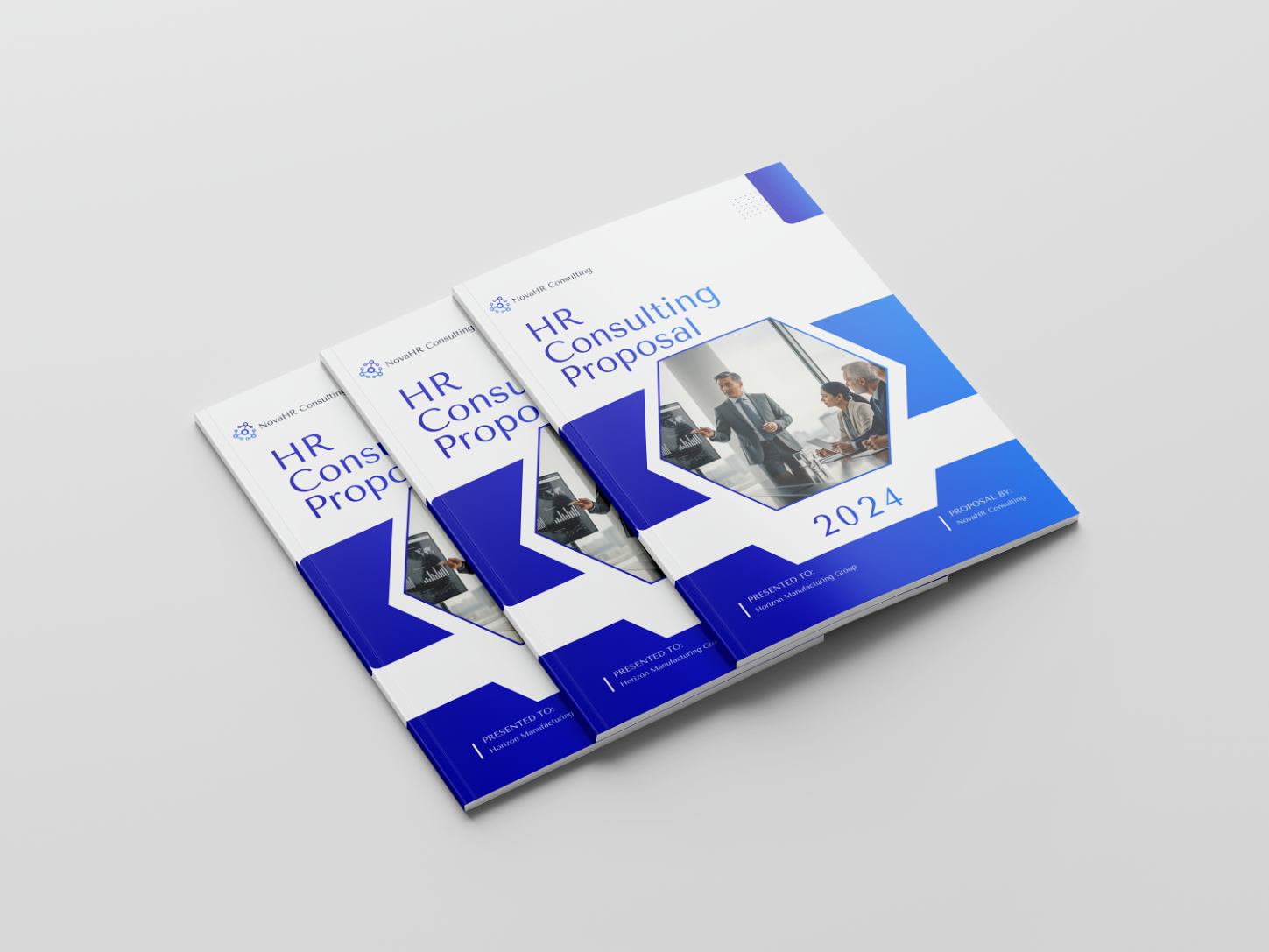
hr consulting proposal

Introduction

In competitive markets, a business proposal is not just a document. It is a decision engine — the tool that can win or lose high-stakes opportunities. Most proposals fail not because the company is weak, but because the structure is reactive, generic, and not strategically aligned with the client’s true priorities. At the executive level, proposals are scanned and evaluated in minutes. Clarity, positioning, and perceived risk determine the outcome. If your proposal looks like everyone else’s, you have already lost.

1. A Proposal Must Be Client-Centric — Not Company-Centric

A frequent mistake is turning proposals into extended company profiles.

Executives are not asking: “Who are you?”
They are asking: “Why should we choose you over every alternative?”
A strategic proposal:
- Frames the client’s challenge clearly.
- Demonstrates deep understanding.
- Aligns the solution directly with business objectives.
- Reduces perceived risk.

When a proposal reflects the client’s language and priorities, trust accelerates, and your chance of winning increases significantly.

2. Strategic Structure Creates Competitive Advantage

Winning proposals follow a deliberate structure, not a template.

A high-level executive structure includes:

- Executive Summary: Outcome-driven, concise, compelling.
- Problem Framing: Business impact, not surface symptoms.
- Strategic Solution: Positioning your offer as the logical answer.
- Methodology & Timeline: Clear, reliable, and transparent.
- Value & ROI Indicators: Quantified outcomes.
- Risk Mitigation: Preemptive assurances.
- Next Steps: Clear, actionable, persuasive.

Structure signals competence. Disorganized documents signal operational risk. Executives associate clarity with capability.

3. Value Must Be Measurable

Strong proposals do not promise — they quantify.

Instead of:
“We provide high-quality service.”
Position as:
“Our implementation reduces operational processing time by up to 30%, backed by structured workflows and proven methodology.”

Metrics, projections, and benchmarks create psychological certainty.
Decision-makers invest in outcomes, not activities.

4. Tone Defines Authority

A proposal is not marketing collateral.

Avoid:
- Overly promotional language
- Emotional phrasing
- Defensive or vague statements

Adopt a tone that is:
- Structured
- Confident
- Precise
- Professional

The executive perception of competence and authority is formed largely through consistent tone.
Pricing discussions are easier when value is clearly communicated.

5. Design Influences Perceived Risk

Design is more than aesthetics — it is persuasion through structure.

Professional proposal design:

- Guides the reader’s eye to key insights.
- Highlights strategic points with clarity.
- Maintains consistent visual hierarchy.
- Uses white space to reduce cognitive load.
- Reinforces credibility through consistency.

Cluttered proposals increase doubt.
Clarity reduces risk.
Executives approve what they understand at a glance.

6. Anticipate Objections Before They Arise

Elite proposals answer unspoken questions proactively:

- Why should we trust you?
- What differentiates you from competitors?
- What happens if challenges arise?
- Is the investment justified?

Strategic positioning pre-handles objections within the narrative, avoiding last-minute hesitations.

7. Proposals Are Strategic Assets

Companies that consistently win contracts treat proposals as living assets, not disposable documents.

They:

- Standardize strategic frameworks.
- Refine messaging continuously.
- Optimize for clarity and executive comprehension.
- Build reusable strategic modules.
- Align every proposal with brand authority.

The outcome:

- Higher close rates.
- Stronger client relationships.
- Elevated brand perception.

8. Final Thought

If your business proposal merely answers an RFP, you are competing on price.

If your proposal reframes the opportunity with clarity, quantified value, and executive authority, you are competing on value.

Is your next proposal ready to close the deal?
Don’t leave decisions to chance. Transform your business proposals into executive-ready documents that impress, persuade, and convert.